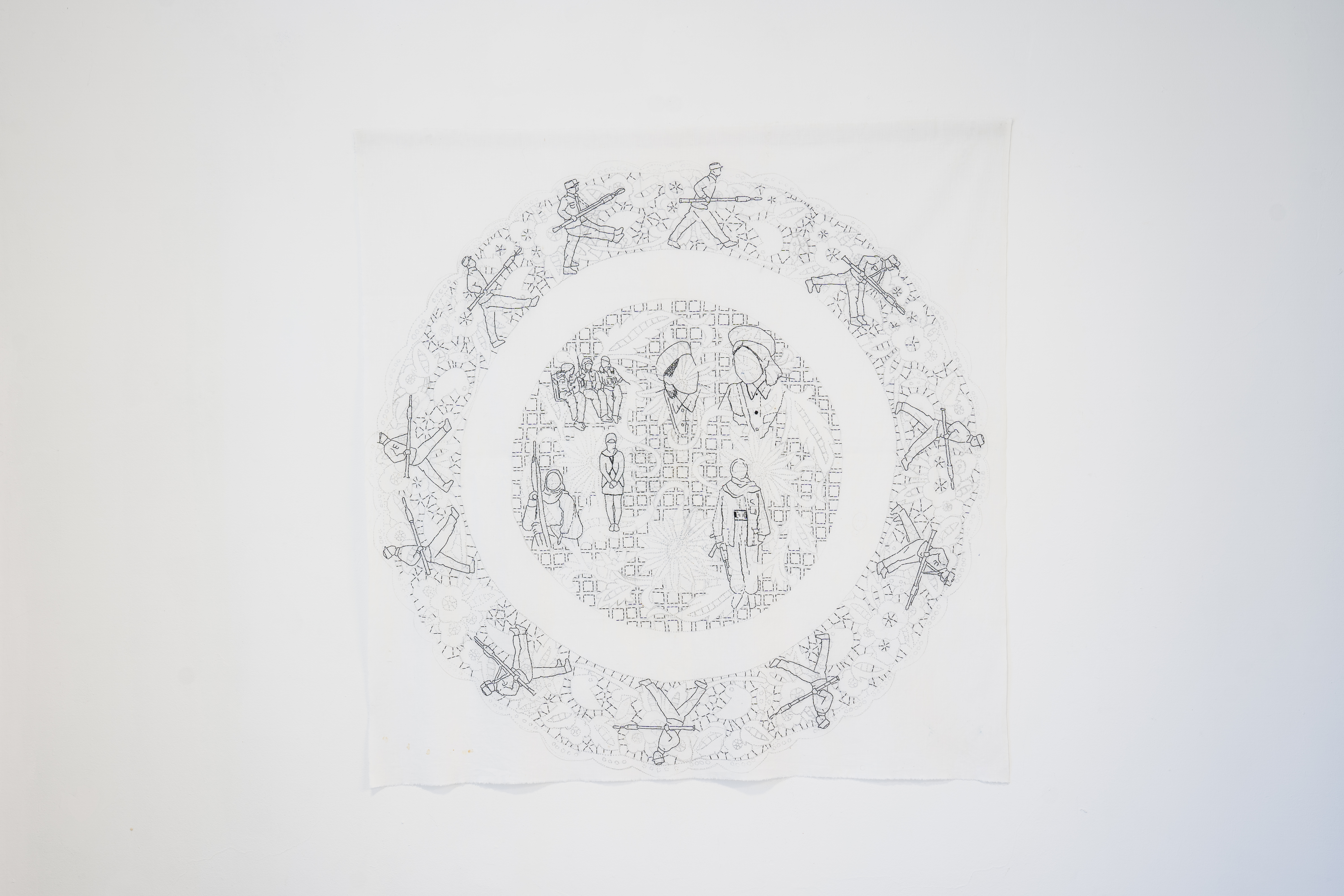
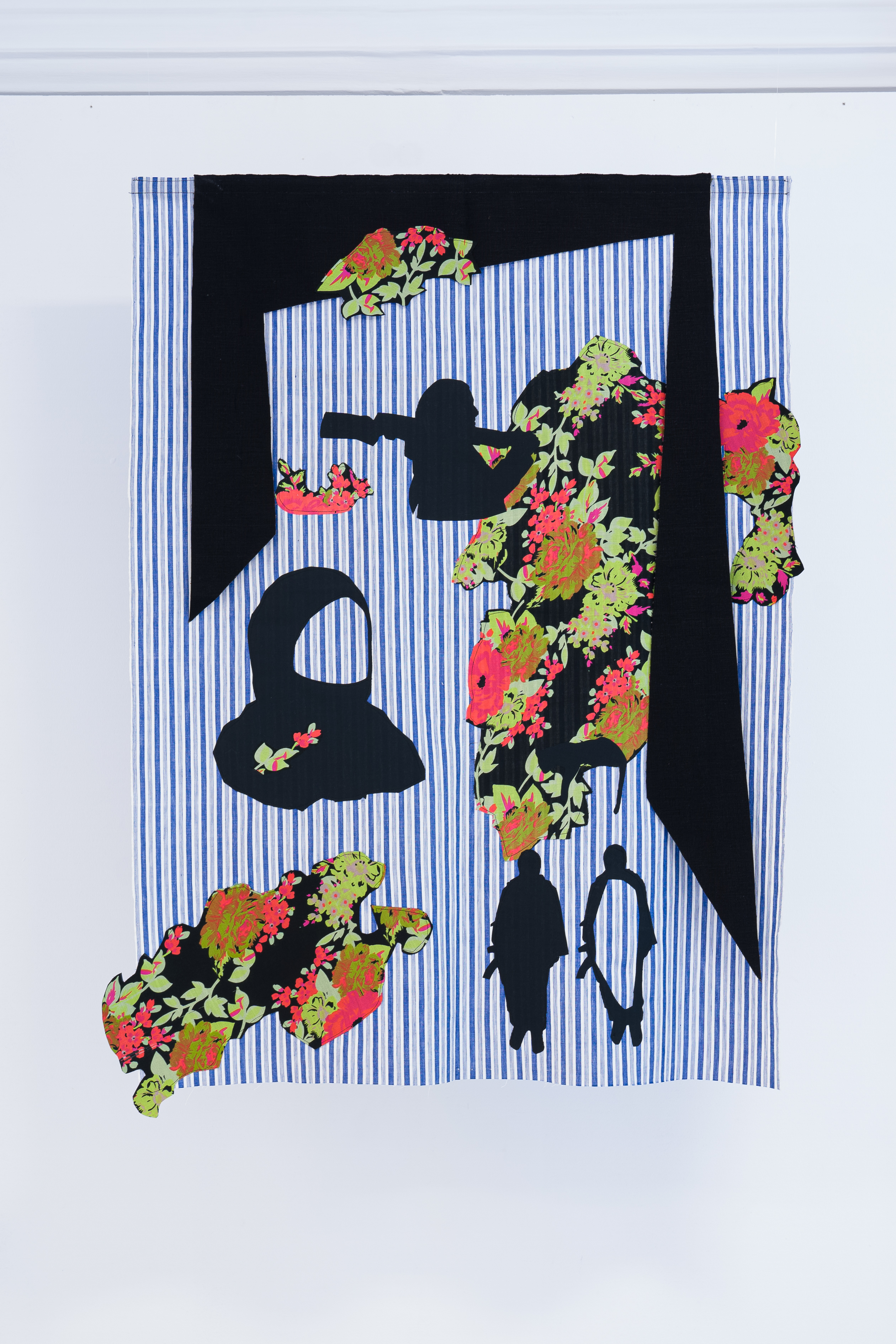
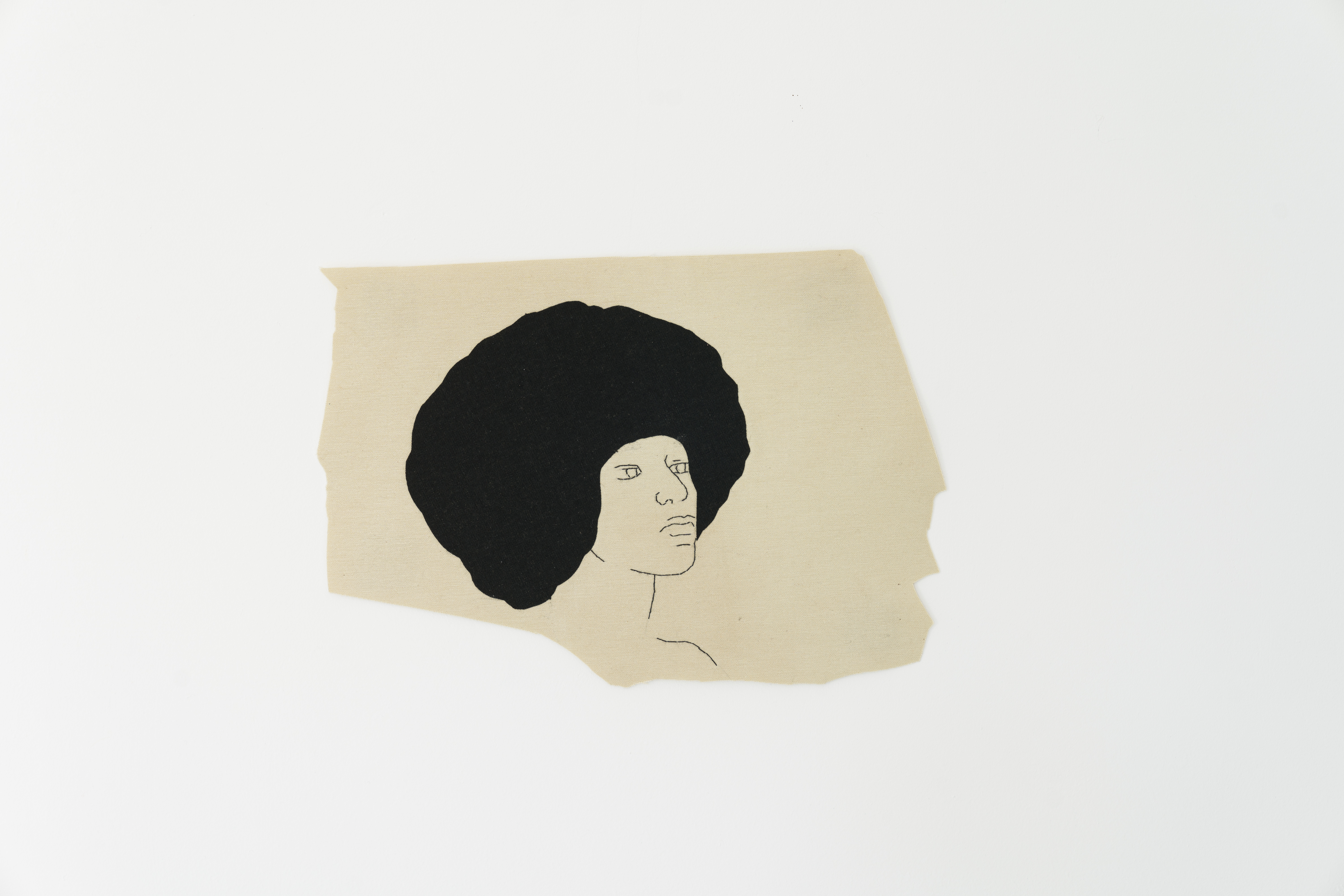
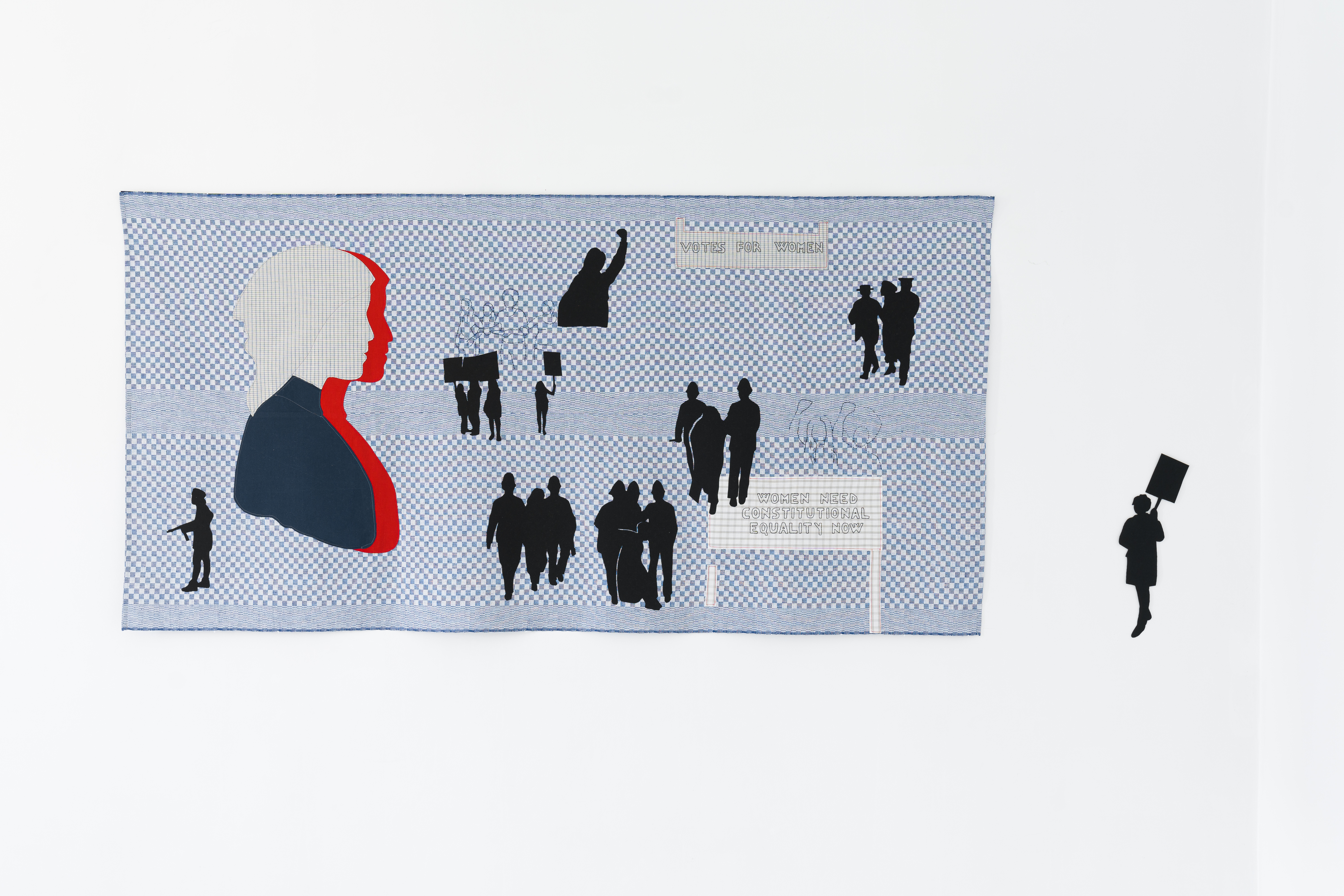
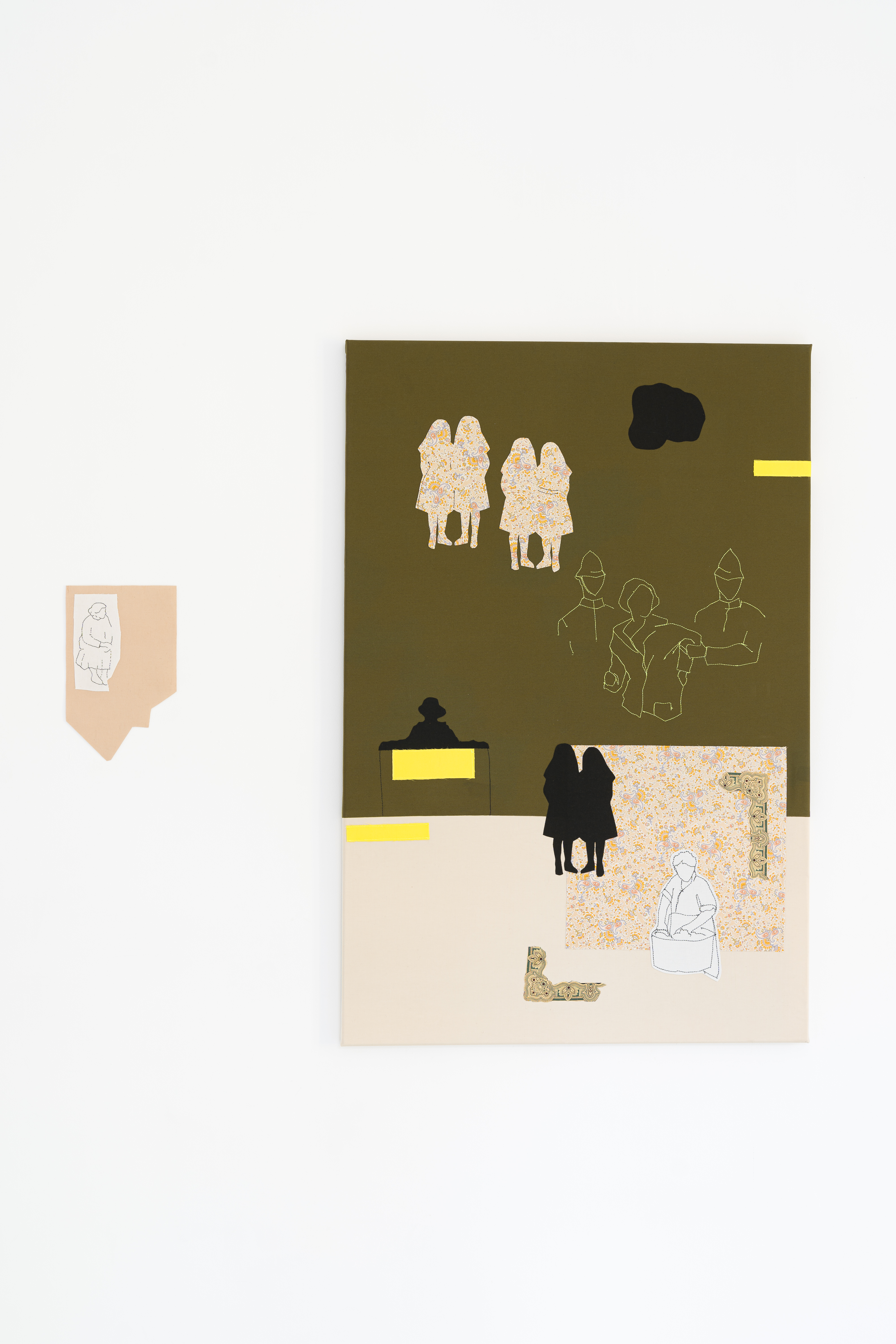
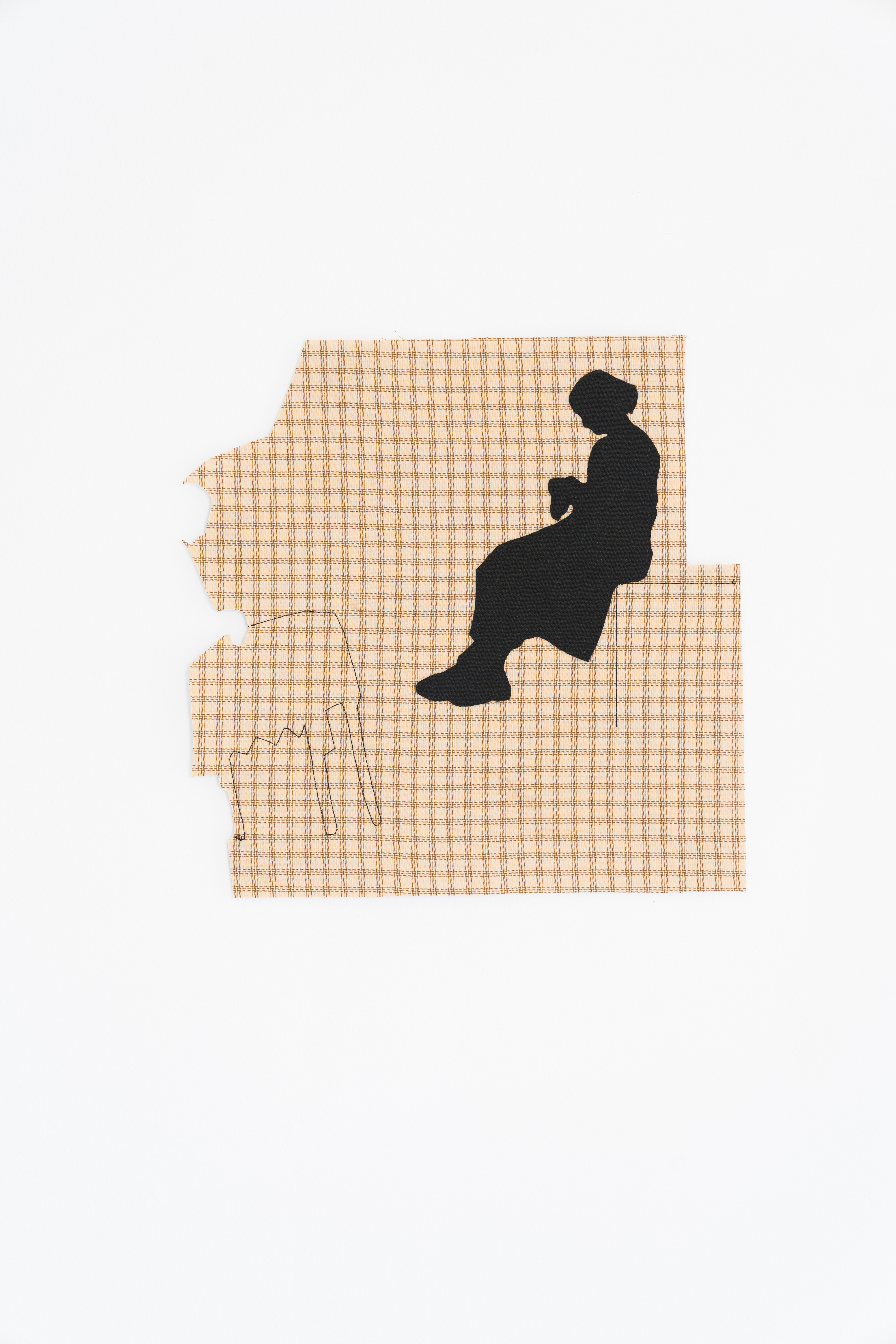
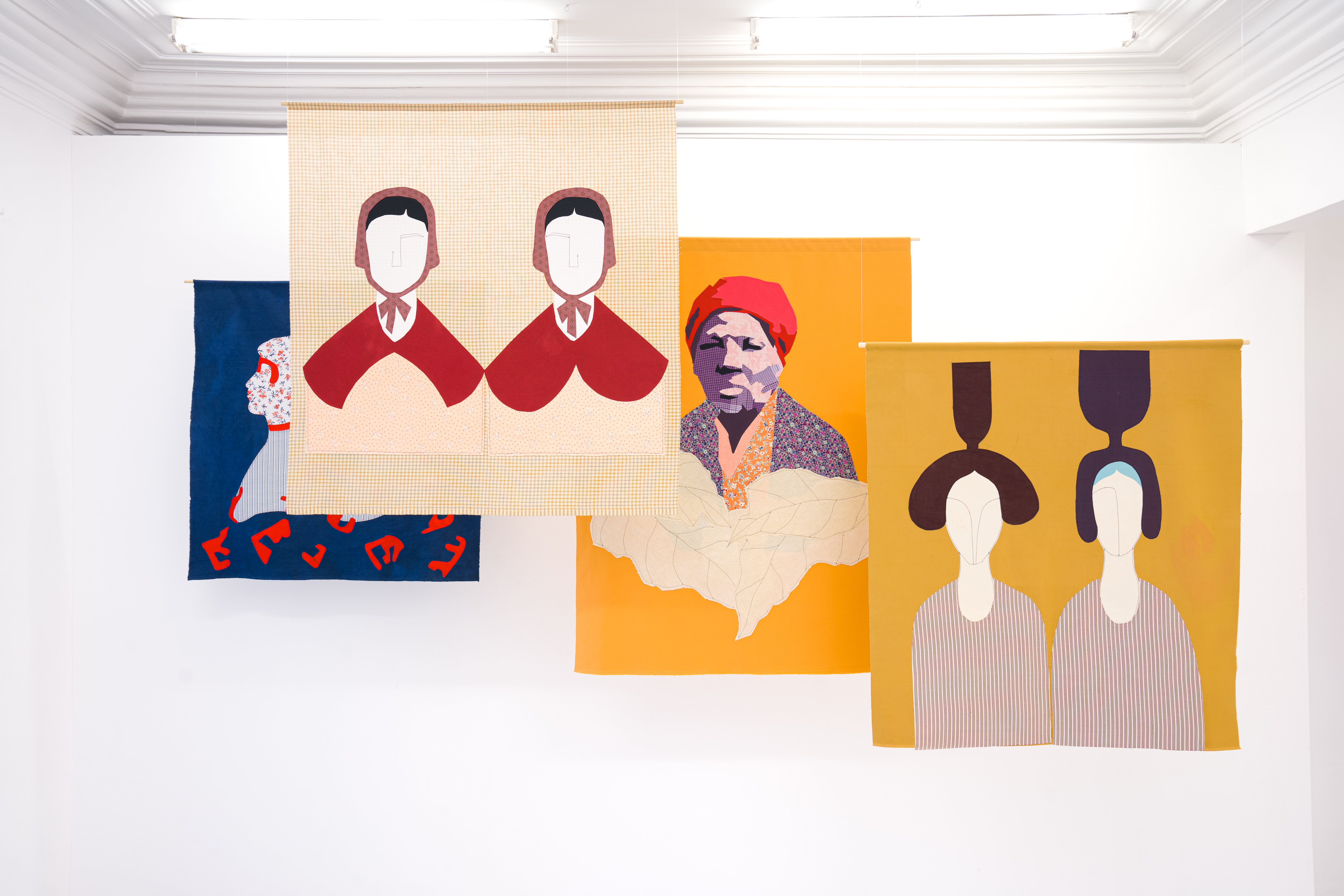
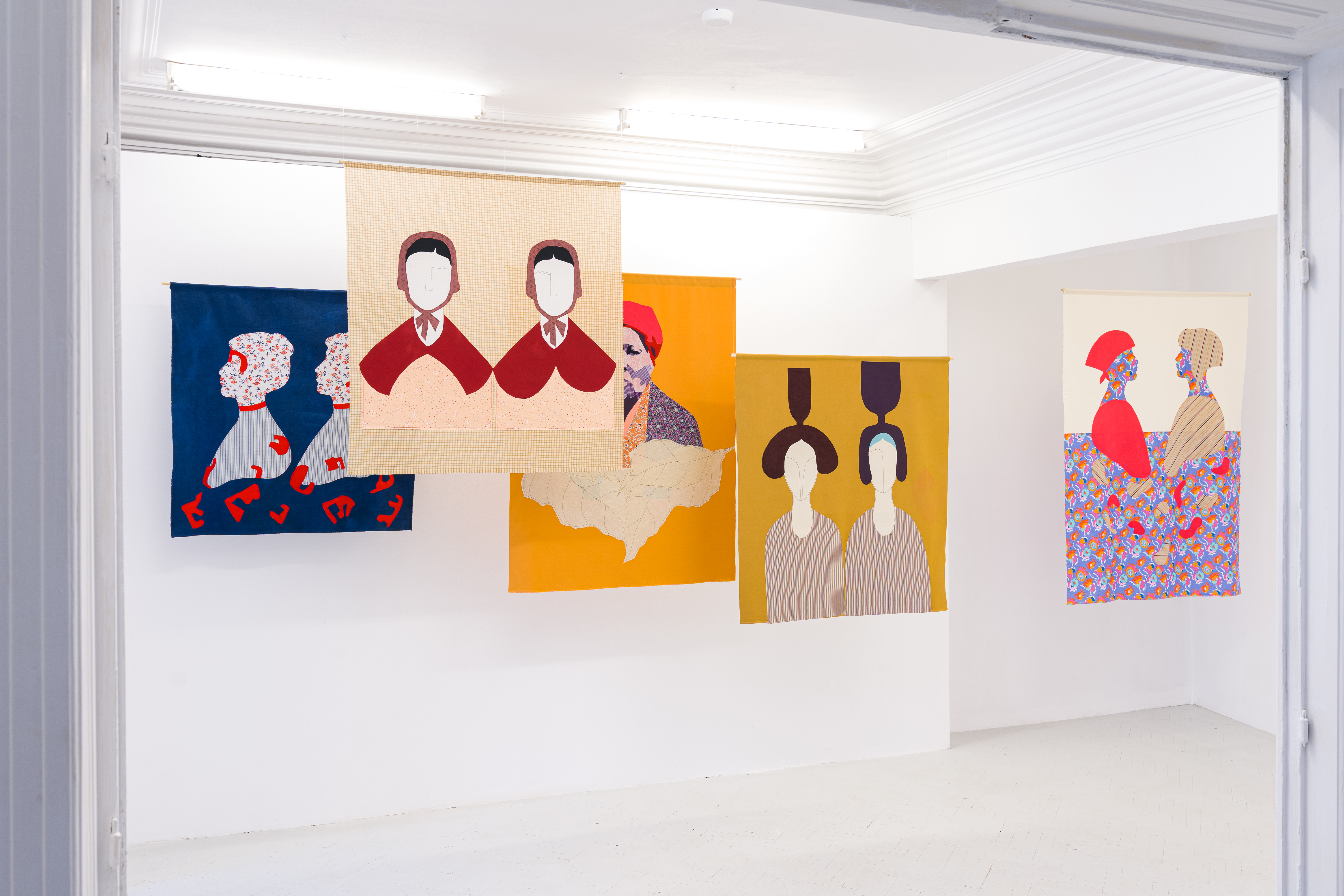
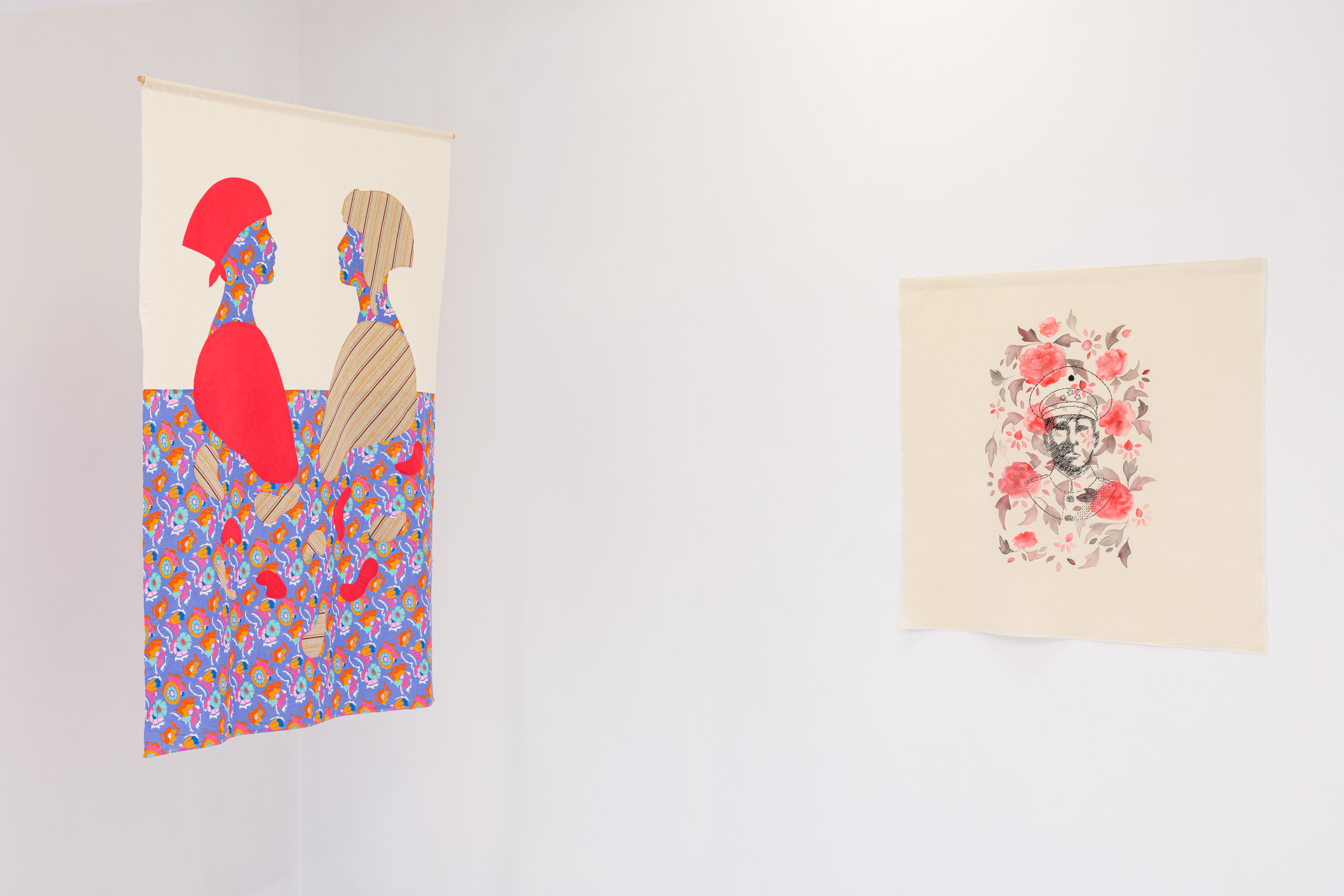
“Nodes of resistance” is Iulia Toma’s third solo show at Ivan Gallery, after the 2014 “Untitled Fighter” and the 2016 “Dura-Europos”, and it coherently continues their line of practice and artistic exploration, focused on using the textile medium in an expanded field in order to render contemporary social iconographies, from questioning labour and exploitation, to the condition of emigrants and people dislocated by military conflict. Related pieces have been shown in the group exhibition “The Web of Fabric” at Ivan Gallery in 2019, especially from the extended series “Untitled Fighter”, a complex body of works which illustrate anonymous female fighters from various cultural and geographical contexts.
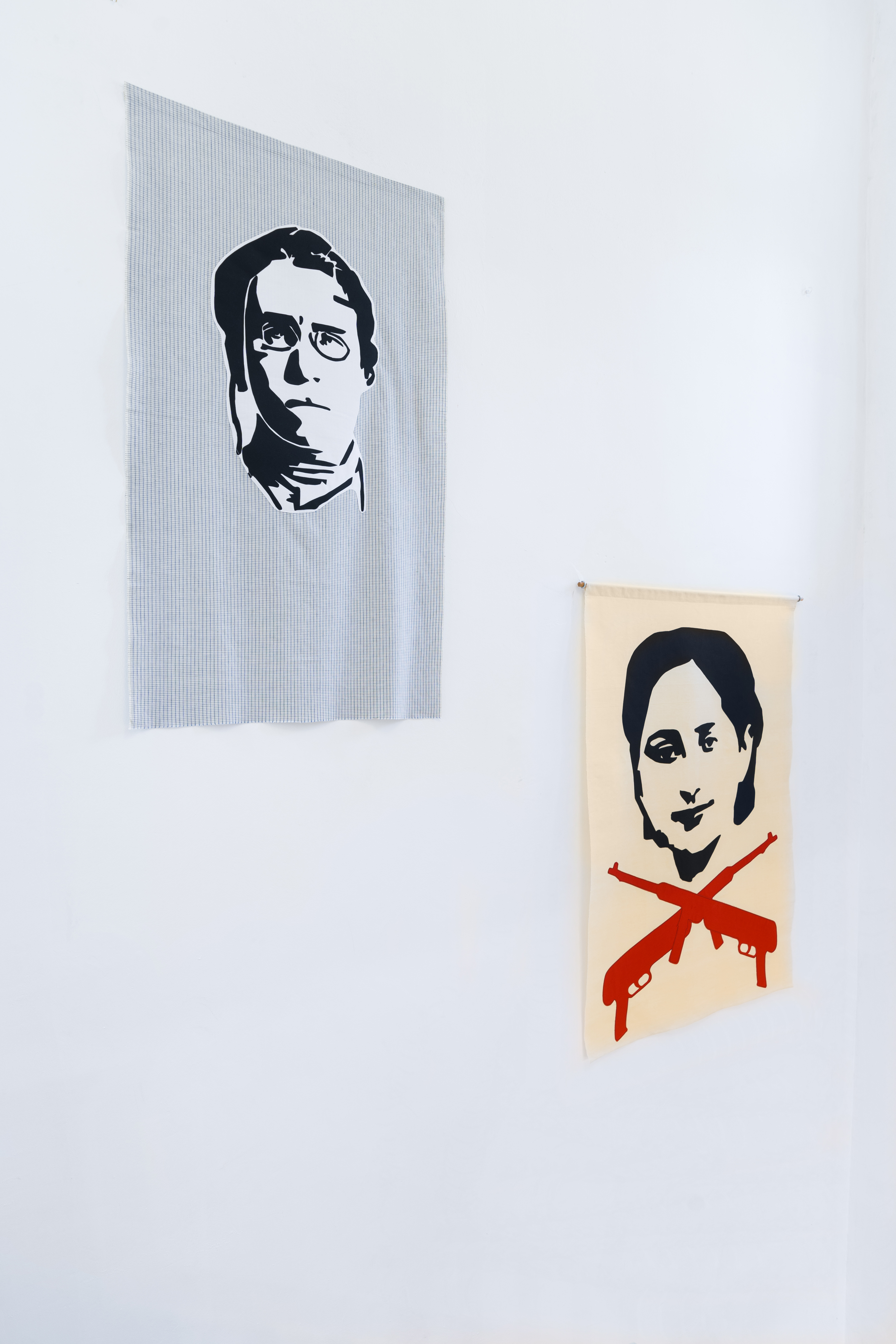
Though connected to Iulia Toma’s previous artistic paths on the level of technique as well as in regards to their targeted focus points, “Nodes of resistance” is a research in itself, developed by the artist during the past three years on the topic of the history of Feminism and women’s liberation movements. The cycle of collages and drawings sewn on textile materials recycled and prepared by the artist, elaborated from 2017 until present date, illustrate a repertory of iconic representations and portraits of more or lesser known personalities for their efforts and fights towards women’s liberation, their equality of chances and rights as well as those of other underprivileged communities or minorities, towards political resistance, social justice and labour equity, alongside anonymous representations of feminine silhouettes engaged in various activities, be them revolutionary or domestic ones. The visual and cultural repertoire of these works encompasses a wide range of historical times and representational styles, from those of a certain pop or political-posters’ aesthetics, in the case of recognisable figures, such as the Communist activist and anti-Fascist fighter of Jewish-Bessarabian origins Olga Bancic, the American political activist and abolitionist Harriet Tubman, the American anarchist militant of Jewish-Lithuanian origins Emma Goldman or the American author and political activist Angela Davis, to those of stylised silhouettes and outlines rendering representatives of the suffragette movements from America, Australia, Great Britain or Japan, as well as some anonymous fighters for freedom, liberation and equality, not necessarily belonging to any Feminist wave, organised movement or ideology. Nor active fight nor passive resistance are the domain of the most visible and well-known examples from the history of Feminism, but rather include also those unknown, invisible presences of women throughout the world who contribute through small, daily gestures, and for whom the artist leaves open this subjective selection of symbolic images.
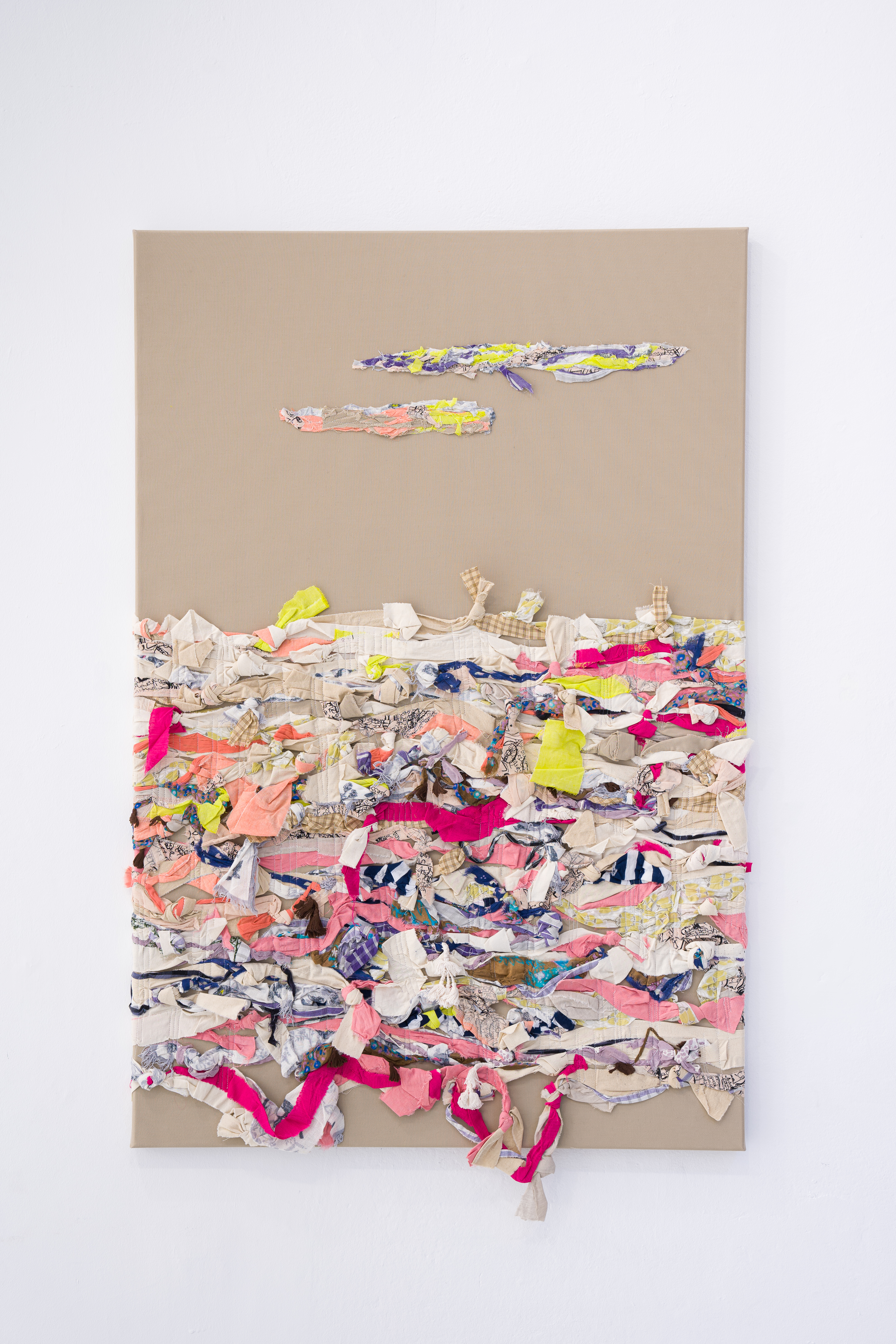
As in her previous projects, Iulia Toma uses the textile material, essentially “feminine”, frail, vulnerable, in order to support and sustain powerful, heavy, striking characters and narratives. “Nodes of Resistance” thus equally refers to the network of connections bringing together the feminine examples selected by the artist in this exhibition, and to the textile web into which their specific stories of fight and resistance are woven together, becoming strengthened and empowered:
“I have chosen “Nodes of resistance” because it (also) refers to the technical language specific to the textile field. I was thinking at the threads’ endurance and tension and at the knot that holds them together when they break. The stories of these women who have fought for various causes, no matter the time or place they belong to, are tied together into an endless narrative wire, in my opinion this being a permanent struggle.” (Iulia Toma)
Iulia Toma (b. 1974) lives and works in Bucharest. Her artistic practice is primarily rooted in textile media, complemented by photography, installation, and text. Interested in the social and political dimensions of materials and everyday gestures, her research engages with themes such as feminism, human rights, interpersonal relations within closed communities, ecology, collective memory, and forms of coexistence. Her projects investigate textiles as carriers of memory and as critical tools for reflecting on belonging, vulnerability, and the negotiation of shared futures. She teaches in the Arts and Textile Design Department at the National University of Arts in Bucharest and is represented by Ivan Gallery.
Solo shows: Ivan Gallery, Bucharest (2023/ 2020/ 2016/ 2014), Galleriapiu, Bologna (2016), Group shows: LIKE LEAVES / PRECUM FRUNZELE, Salonul de Proiecte (2024); "Variables as Absence of Uniformity", Wetterling Gallery, Suedia (2024); Kyiv Biennial, Vienna (2023), Badische Kunstverein, Karlsruhe (2021), Museum and Galleries of Ljubljana (2021), Budapest Gallery (2020), Spike Berlin (2020), MILL museum in La Louvière, Europalia, (2019), Strombeek Cultural Center, Europalia, (2019), Tranzit.ro, Bucharest (2019, 2015), Galerija Mestna, Ljubljana, (2019), Art Encounters 2019, Timisoara, Ivan Gallery, Bucharest (2019), MNAC Bucharest, Bucharest (2018), Eastwards Prospectus Gallery, Bucharest (2018), MAK, Viena (2015), Art Encounters, Timisoara (2015), Salonul de Proiecte, Bucharest (2019, 2014, 2012)